Disclosure: arvrguide.com may earn a commission if you buy through links on this page, at no extra cost to you. We only recommend gear we’d buy with our own money.
The Climb 2 is the game that makes your palms sweat with your feet planted on the living room floor. Crytek built it on the same engine behind their big-budget shooters, and it shows: the views are some of the best-looking scenes on Quest, and the whole game runs on one simple rule. No rope, no checkpoints, no second chances on a wall. A 4.3 rating across more than three thousand reviews five years after launch tells you how well that formula holds up.
Where to buy The Climb 2: Get The Climb 2 on the Meta Store ($29.99).
The loop is simple and a little brilliant. You grip holds with your actual hands, watch the grip meter on each one, and plan your next three moves like a chess game played with your body. Every wall is a puzzle of ledges, cracks and long reaches, and the game loves to hang the next hold just far enough out that you have to commit. There is no combat and no enemies, because the wall itself is the boss.
More picks live in our Best Meta Quest 3 Games (2026) guide.
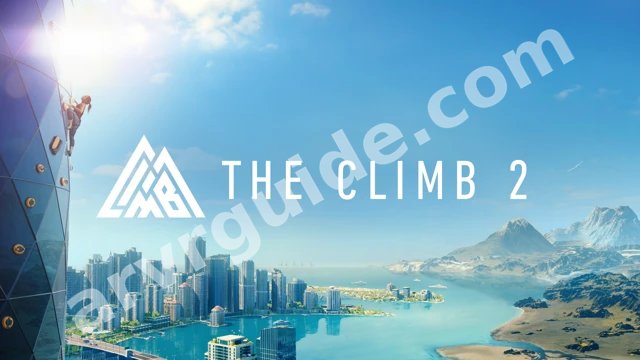
This sequel moves out of the pure mountains and into the cities. You climb alpine peaks at dawn, scale a skyscraper through a canyon of glass, and work up a swaying structure while the wind pushes at you, with caves and hidden shortcuts to find along the way. Leaderboards and asynchronous races against your friends’ times turn a solo game into a quiet competition, and Crytek later added a batch of Freestyle levels for free, open playgrounds where you can practice routes without a clock.

Who it is for: anyone who loved the climbing section of another VR game and wished there was a whole game of it, players who want a workout that never feels like a workout, and anyone after a calm, focused challenge with nothing shooting at them. Verdict: the best climbing game on Quest and one of the best-looking games on the store, and it earns its thirty dollars if heights and you get along.
How the Climbing Actually Feels
Each hand carries its own grip meter, and it drains while you hang, so the game is really about decisions: which hold, which hand, when to move. The moment that sells it is leaning. You reach out over a drop to grab the next ledge, your head moves past the edge of the building, and your body files a complaint your brain knows is fake. That combination of real arm movement and fake danger is why people finish a climb drenched. Comfort is rated moderate rather than gentle for exactly that reason, and it plays fine seated if you would rather not stand.

The runner-up feature is the racing. Because runs are recorded, you can chase a ghost of your own best time or a friend’s, which adds just enough pressure to make a clean route feel like a score. It is a singleplayer game with no internet requirement, all of it stored on the headset, so it also travels well: a few gigabytes of storage buys you a game that works anywhere, with 84 achievements if you like a checklist.
More in this topic: Best Meta Quest 3 Games (2026): The Ones Worth Your Money, The Climb VR Review: The Original Before the Sequel, MotoX VR Review: The Free Motocross Game on Quest