Disclosure: arvrguide.com may earn a commission if you buy through links on this page, at no extra cost to you. We only recommend gear we’d buy with our own money.
Every parent asks it before the box is open: is VR actually safe for kids? Here’s the straight answer, with no scare stories and no sales pitch. The makers say ten and up. The research is early but calm. And the real risks are the boring ones, which happen to be the easiest to handle.
Where to buy: comfort gear makes sessions easier on small faces: a silicone face pad and lens protectors cost about $50 together. Our full headset guide for families lives at Best VR Headsets for Kids.
What the makers say
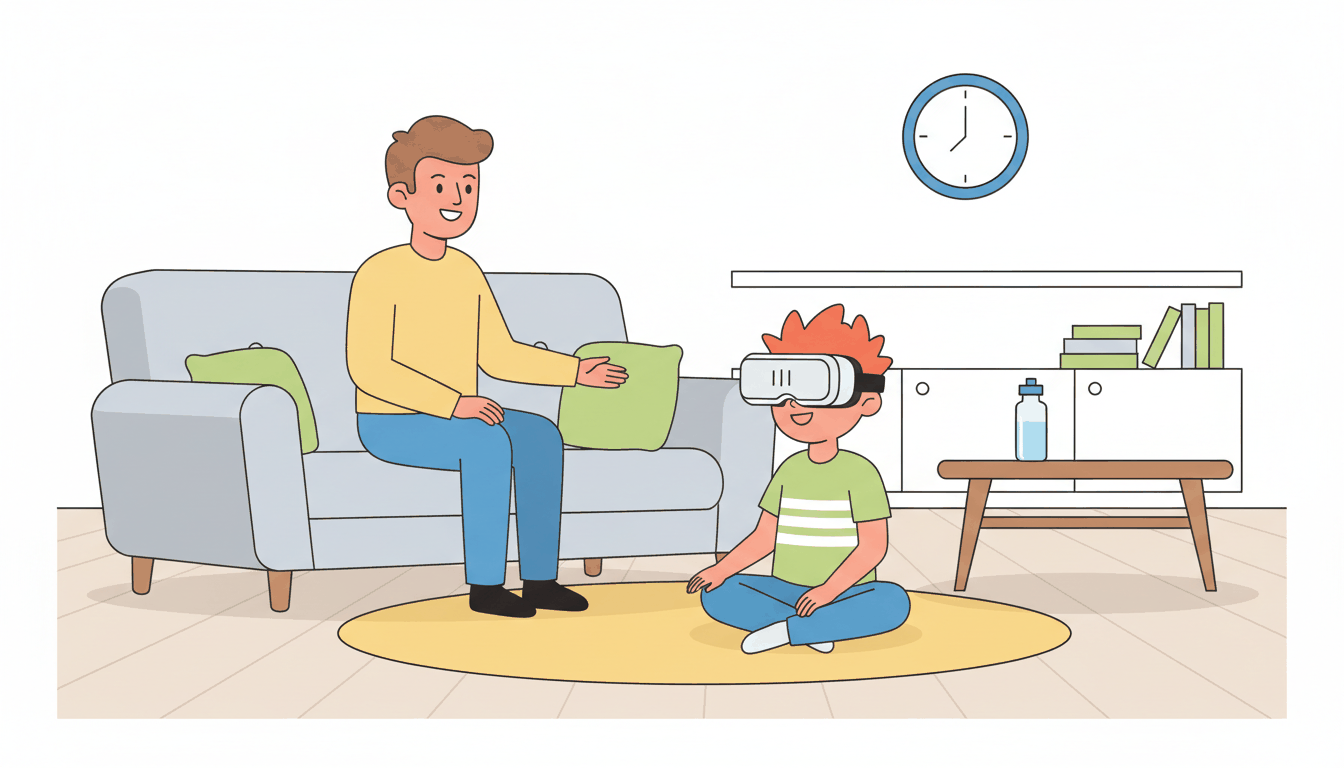
Meta sets the minimum age for a Quest account at 10, with a parent-managed account for anyone under 13. Other makers set it at 12 or 13. These are company lines, not laws, but they’re built on the same caution: children’s eyes and necks are still developing, and nobody wants to be the company that rushed that.
What the research actually says
The honest summary: the research on kids and VR is early, and the studies that exist show no evidence of lasting harm from normal, supervised use. What the studies do flag is what every adult feels after an hour in a headset: eye strain, and for some people motion discomfort. Nothing here is a reason to skip VR. It’s a reason to treat it like a trampoline, great in the right setting, with limits on time.
The four risks worth handling
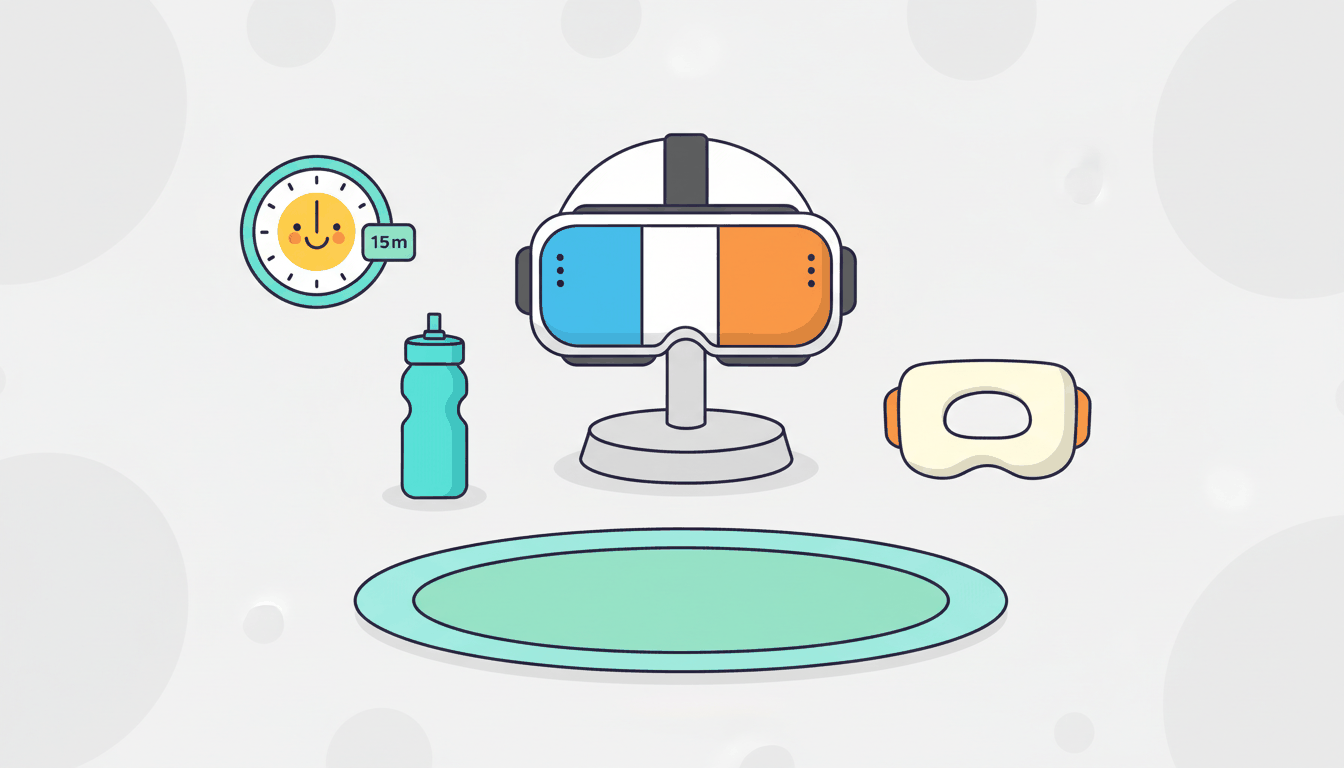
Trips and bumps. A kid swinging a controller can’t see the coffee table. Clear the play space, use the headset’s play boundary, and stay in the room.
Eye strain. Same rule as any screen: breaks. Twenty or thirty minutes, then a pause. The Quest’s own timer enforces it so you don’t have to be the villain.
Motion sickness. Some kids get woozy in fast-moving games. Start with games where they stand still or move at their own pace, and stop at the first sign of queasiness.
Strangers and content. This is the one the news covers. A parent-managed account lets you approve every app and shut off open voice chat. Five minutes of settings, done once.
How long is a safe session?
We break the numbers down by age in our guide to how much VR time kids get. Short version: twenty minutes is a good session for an eight-year-old, and the breaks matter more than the total. For the specific game every kid’s friends play, see Is Gorilla Tag Safe for Kids?
The bottom line
VR is safe for kids the way bikes are safe for kids: with a helmet’s worth of setup. A parent-managed account, a cleared space, a timer, and an adult in the room handle every risk on this page. The gear picks that make small faces more comfortable live in our Quest accessories guide, and the plain-English headset picks at Best VR Headsets for Kids.
More in this topic: the VR for kids guides, the Best VR Headset for Kids and the Best VR Games for Kids