Disclosure: arvrguide.com may earn a commission if you buy through links on this page, at no extra cost to you. We only recommend gear we’d buy with our own money.
Rokid and Meta both sell glasses with a camera and an AI assistant on your face, and that is where the agreement ends. Meta’s famous line, the Ray-Ban Meta, puts no screen in front of your eyes at all; its one display model puts a single-eye screen in one lens and needs a wristband to control it. Rokid goes the other way: its flagship puts a full-color screen in both lenses. So the real question behind “Rokid vs Ray-Ban Meta” is not which brand is better, it is whether you want a display. Here is how the two lineups stack in late 2026.
Where to buy: Rokid Glasses on the Rokid store ($699) or the Ray-Ban Meta line at Meta’s store
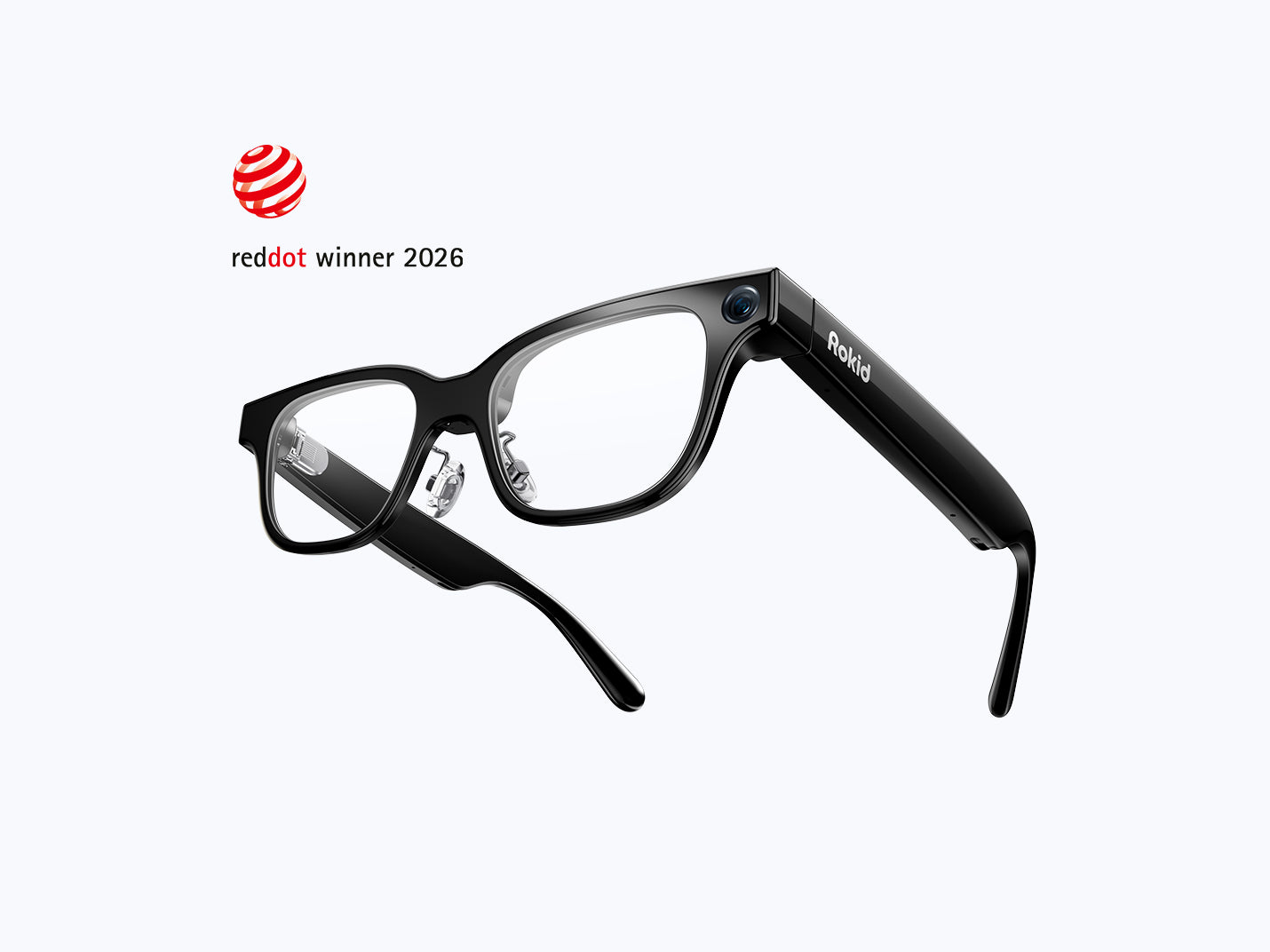
The lineup fork, side by side
The quick-pick chart:
| Rokid Glasses | Ray-Ban Meta Gen 3 | Meta Ray-Ban Display | Rokid Style | |
|---|---|---|---|---|
| Price | $699 | $449 | $799 | $279 |
| Display | Full-color, both eyes | None | One eye only | None |
| Camera and AI | Yes | Yes | Yes | Yes |
| Best for | A real heads-up display | Style and the lowest price with a camera | Meta’s display route | Camera-AI on a budget |
Prices here were checked the last week of November 2026. Meta refreshed the Ray-Ban line with the Gen 3 in September 2026 at $449, a slimmer design with longer battery life and an action button; the Gen 2 before it launched at $379. The Display sits at $799 with the Neural Band wrist controller, and reviews have been blunt that its price is hard to justify next to the cheaper pairs.
What Rokid Glasses does that the Ray-Bans do not
The whole argument for the $699 pair is in the lenses. Both eyes get a see-through full-color display, so the glasses can put directions, captions, translations and AI answers where you can read them while you keep walking. The Ray-Ban Meta experience lives in your ears: the camera sees, the assistant answers, and everything it tells you is spoken. If you have ever wanted the information where your eyes already are, that is the $699 product. Our Rokid Glasses review covers what the display and camera do day to day.
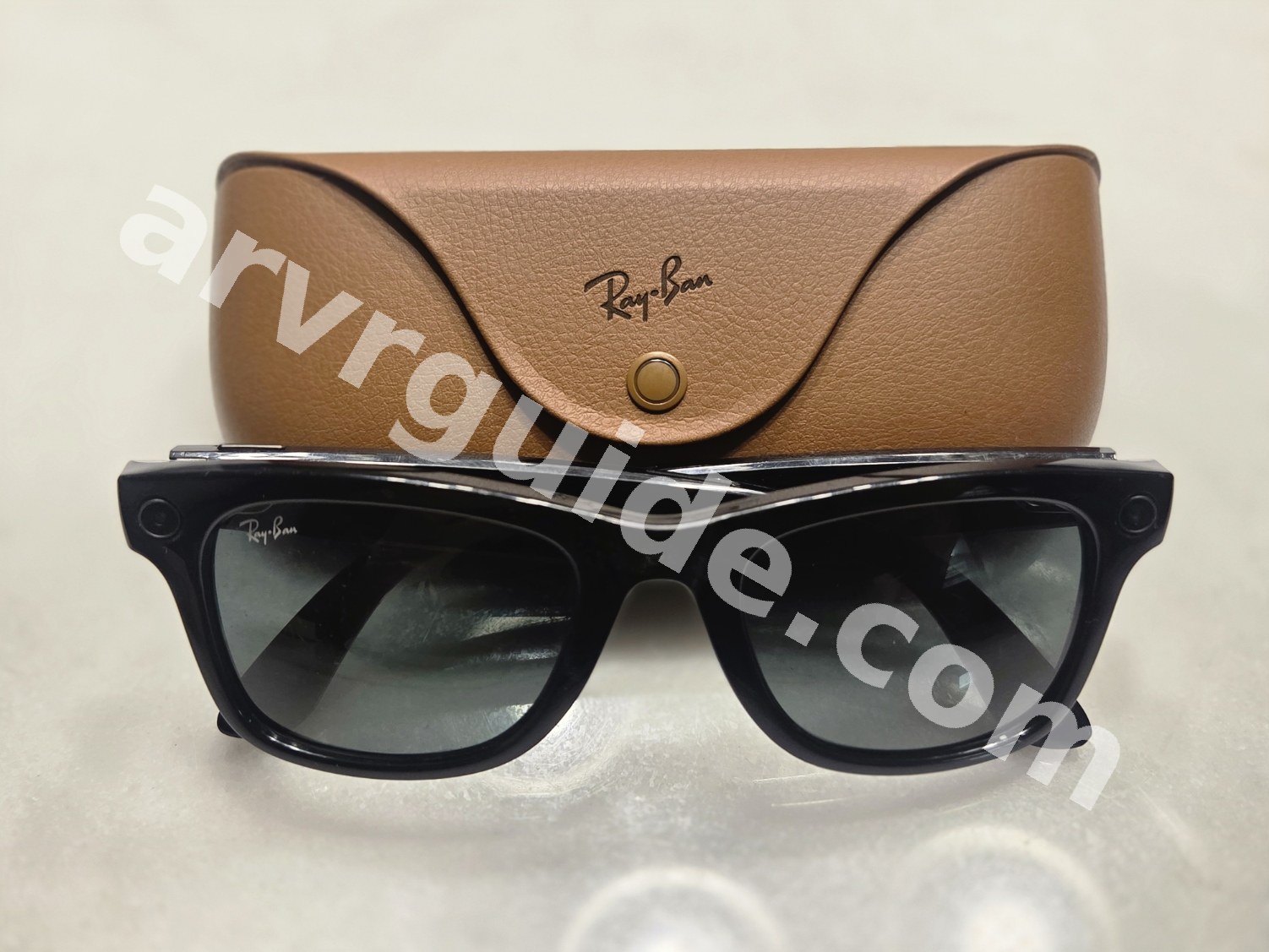
What the Ray-Ban Meta does better
Three things, and they matter. Style: the Wayfarer shape is a pair of sunglasses first, and nobody asks why you are wearing them. Price: at $449 (or less on the older Gen 2), the entry point to camera glasses is $250 under Rokid’s flagship. And ecosystem: Meta’s app, voice assistant and social features are polished by hundreds of millions of dollars and years of iteration. The display model is the weak spot of the argument, because a one-eye screen with a wristband is a bigger compromise than most buyers expect at $799.
The cheap lane: Rokid Style vs Ray-Ban Meta
If you want the camera-and-AI experience with no display at all, that is exactly the Rokid AI Glasses Style at $279, which undercuts the new Gen 3 by $170. It is the most direct Ray-Ban Meta rival Rokid sells: camera, audio, AI assistant, translation, no screen. The trade against Meta is ecosystem polish and the brand look, which is a real thing when you are wearing it on your face every day.
The verdict
If a real two-eye color display is the feature you want, Rokid Glasses at $699 is the only pair in this comparison that has it, and by a wide margin. If you want the most polished no-display camera glasses and the brand look, the Ray-Ban Meta Gen 3 is the safer buy at $449. Meta’s $799 Display is the odd one out: one eye, one wristband, the highest price of the group. And if the camera glasses idea sounds good but $449 does not, the Rokid Style does the same core job for $279.
More in this topic: Rokid Glasses Review, Rokid AI Glasses Style Review, Rokid AR Glasses: Every Model and Price and Best AR Glasses in 2026: The Honest List.